
Shape Thumb
Shape Thumb
Shape Thumb
CleanTechImg
Why our research program

What Is Clean Technology?

Cleantech, which encompasses various technologies and processes aimed at reducing environmental impact and promoting sustainable practices, has gained significant importance in recent years due to growing concerns about climate change and resource depletion. To address these challenges, we propose the implementation of comprehensive cleantech programs that will focus on promoting the adoption and development of clean technologies across various sectors.


How It Helps

What Problems Clean Technology Solves?

Promotion of Clean Energy Adoption

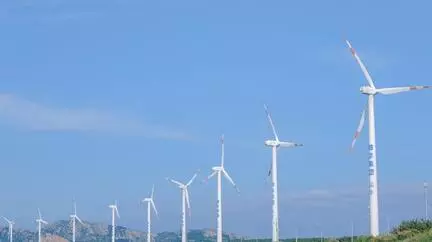
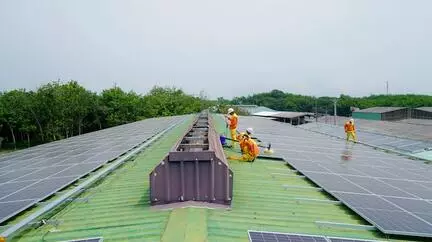
Encourage the adoption of renewable energy sources such as solar, wind, hydro, and geothermal, while phasing out reliance on fossil fuels.

Energy Efficiency Enhancement

Implement initiatives to improve energy efficiency in industries, commercial buildings, and households, reducing energy consumption and associated carbon emissions.

Waste Management and Recycling

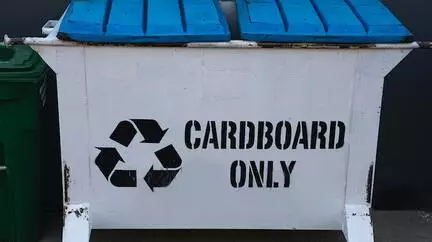
Establish efficient waste management systems, including recycling and waste-to-energy technologies, to minimize waste and its environmental impact.

Green Transportation

Support the development and adoption of electric vehicles, public transportation systems, and infrastructure for non-motorized transportation options.

Sustainable Agriculture

Promote sustainable farming practices, reduced chemical usage, and innovative technologies for efficient crop production and waste reduction.

Water Conservation

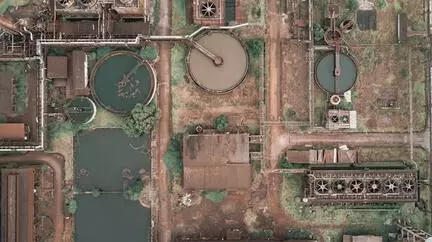
Implement strategies to conserve water through improved irrigation techniques, wastewater treatment, and public awareness campaigns.

Shape Thumb
What It Includes

Program Components

Research and Development (R&D) Support

Allocate funding for research and development of innovative cleantech solutions, fostering technological advancements in energy, waste management, and more.

Financial Incentives

Provide tax incentives, grants, and subsidies to businesses and individuals adopting cleantech solutions, making them more economically viable.

Education and Awareness Campaigns

Conduct public awareness campaigns to educate citizens about the benefits of cleantech adoption and sustainable practices.

Regulatory Framework Enhancement

Develop and update regulations that encourage the use of cleantech solutions and set emission reduction targets for industries.

Collaboration with Private Sector

Forge partnerships with private companies to accelerate the deployment of cleantech solutions and leverage their expertise.

Capacity Building

Offer training programs, workshops, and certifications to develop a skilled workforce capable of designing, implementing, and maintaining cleantech systems.

Shape Thumb

Clean Technology Research Projects

These research projects can make a significant contribution to India's CleanTech sector, addressing sustainability challenges and promoting the transition to a cleaner and more sustainable energy future. Collaboration with government agencies, industry partners, and academic institutions can help facilitate these projects and drive innovation in CleanTech.

Category Thumb
Renewable Energy Forecasting

Develop advanced machine learning models to predict renewable energy generation, such as wind and solar power, based on historical data and weather patterns. This can help optimize the integration of renewable energy into the grid, which is a significant focus in India.

Category Thumb
Electric Vehicle Charging Optimization

Create algorithms that optimize the charging schedules for electric vehicles in a way that minimizes grid stress and costs while ensuring that vehicles are charged when needed. This project can aid in the adoption of electric vehicles across India.

Category Thumb
Waste Management and Recycling

Use AI and computer vision to automate and optimize waste sorting and recycling processes. Implement smart bins that can identify recyclable materials and reduce contamination, improving recycling rates.

Category Thumb
Energy Efficiency in Buildings

Develop AI-driven solutions to optimize energy consumption in commercial and residential buildings. Use data to control heating, cooling, and lighting systems for maximum efficiency, reducing energy costs and carbon emissions.

Category Thumb
Carbon Footprint Tracking

Create a platform that enables individuals and businesses to track and reduce their carbon footprints. Utilize AI to provide personalized recommendations on sustainable practices, transportation choices, and energy consumption reductions.

Category Thumb
Natural Resource Management

Apply data science and AI techniques to monitor and manage natural resources, such as water and forests. Develop predictive models to assess the impact of climate change on these resources and propose adaptive management strategies.

Category Thumb
Clean Energy Investment Analytics

Build machine learning models to assess the potential and risks associated with investments in clean energy projects. Provide investors with data-driven insights into the profitability and sustainability of CleanTech ventures.

Category Thumb
Environmental Monitoring with IoT

Deploy IoT sensors to collect environmental data (e.g., air quality, water quality, soil conditions) and use machine learning to analyze and predict environmental changes, helping with early warning systems for pollution or climate-related events.

Category Thumb
Grid Optimization and Demand Response

Develop AI algorithms to optimize the distribution and usage of energy in the grid, integrating renewable energy sources and implementing demand response strategies to balance supply and demand.

Category Thumb
Clean Energy Policy Analysis

Analyze the impact of government policies and regulations on CleanTech adoption and sustainability. Use data analytics to assess the effectiveness of incentives, subsidies, and carbon pricing mechanisms.